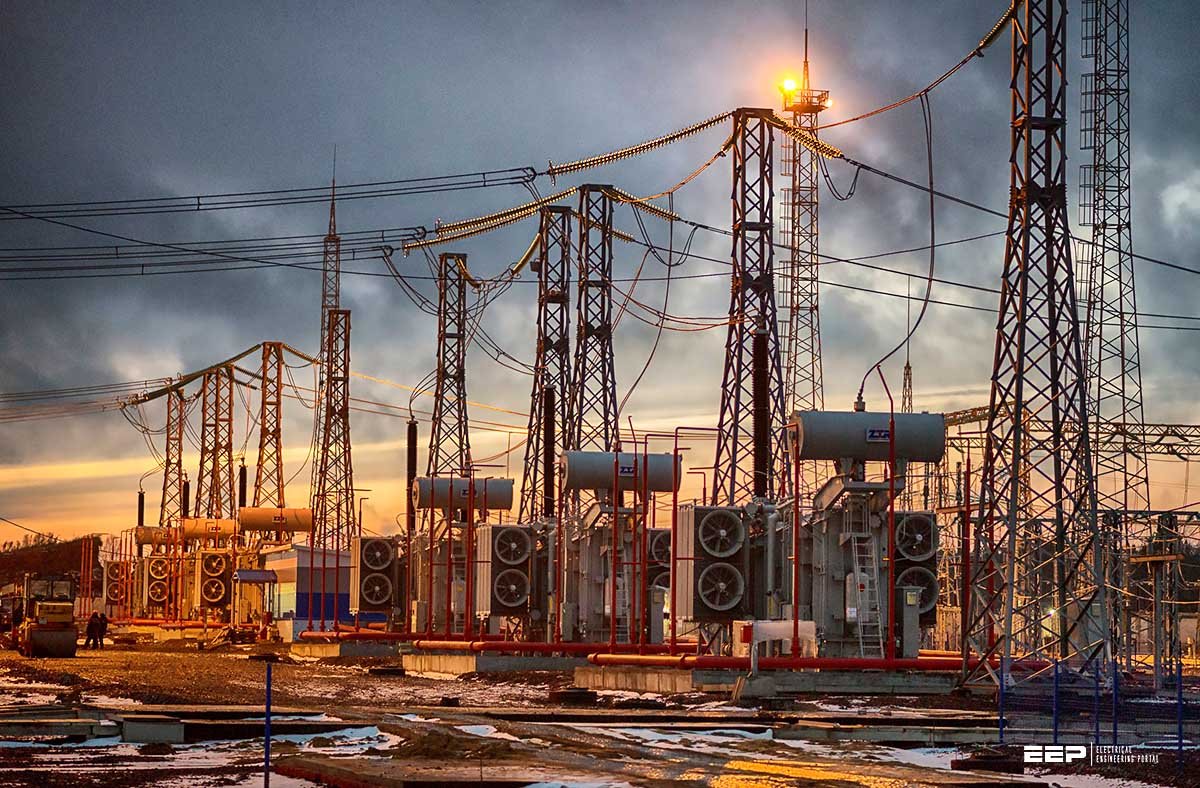
Substations are a critical part of electrical infrastructure, helping manage the transmission and distribution of power between generation sources and end users. Whether supporting industrial facilities, commercial developments, renewable energy projects, or utility networks, a well-designed substation plays an essential role in ensuring reliable and efficient power delivery.
Because substations involve significant investment and long-term operational responsibilities, businesses should understand key design considerations before beginning project planning. Early decisions can influence performance, safety, regulatory compliance, and future expansion opportunities.
Understanding The Purpose Of A Substation
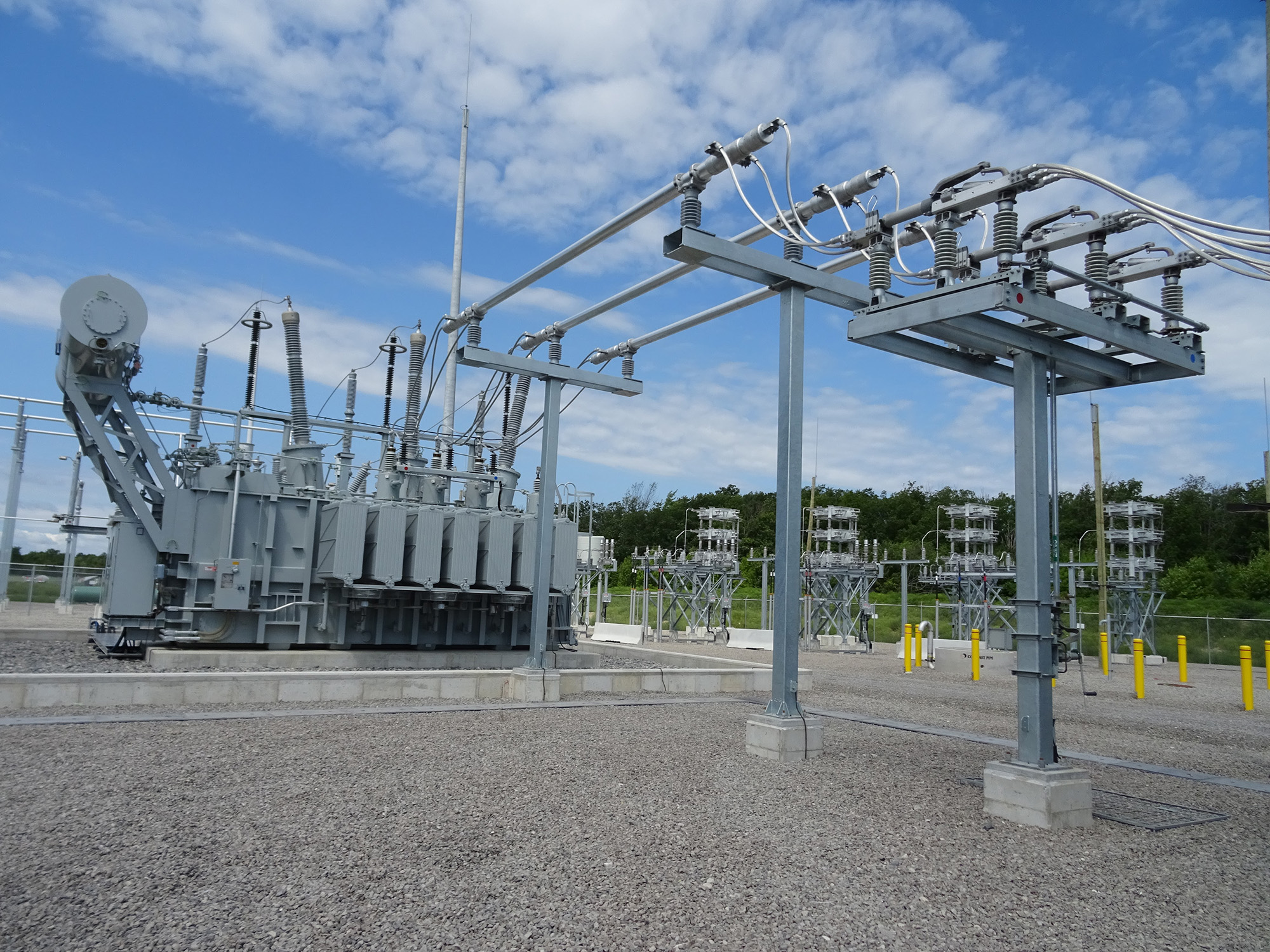
Businesses researching substation design (click here) should first understand the role a substation plays within the wider electrical network. Substations are used to transform voltage levels, control power flow, protect equipment, and support the reliable operation of electrical systems.
The design requirements will vary depending on the intended application. Industrial facilities, commercial developments, utility networks, and renewable energy installations may each require different equipment configurations and performance capabilities.
Clearly defining project objectives at an early stage helps engineers develop a design that aligns with both operational requirements and future business needs.
Site Selection And Technical Planning Matter
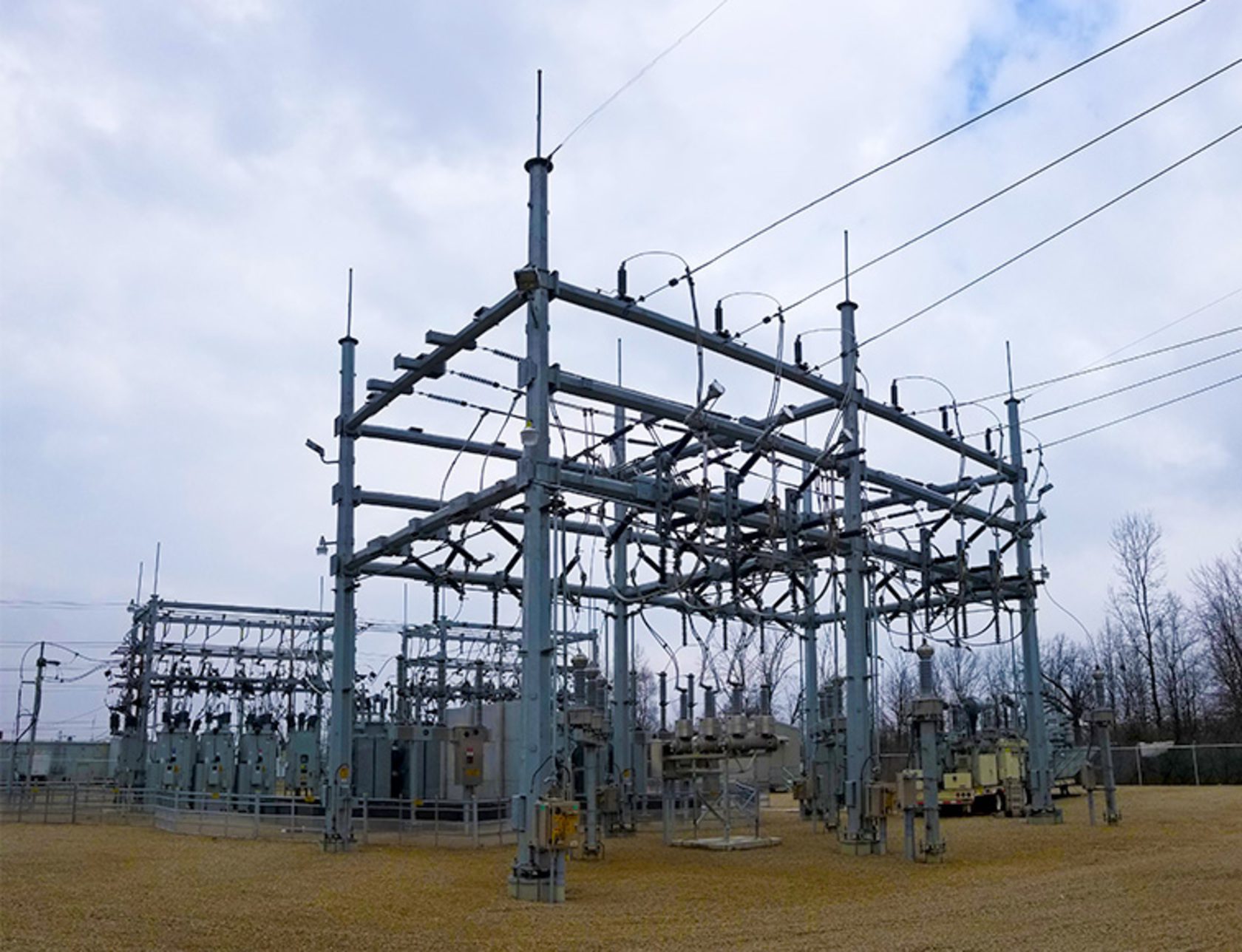
Choosing an appropriate location is one of the most important aspects of substation planning. Engineers must evaluate land availability, environmental conditions, access requirements, nearby infrastructure, and connection points within the electrical network.
Technical planning typically includes load assessments, equipment selection, protection systems, fault analysis, and network integration studies. These evaluations help determine the capacity and configuration required to support reliable operation.
Businesses should also consider future growth projections to ensure that the substation can accommodate increasing demand without requiring extensive modifications later.
Safety, Compliance, And Long-Term Reliability

Electrical substations must comply with a range of technical standards, safety requirements, and regulatory obligations. Proper design helps protect personnel, equipment, and surrounding infrastructure from electrical faults and operational hazards.
Key considerations may include grounding systems, equipment clearances, fire protection measures, access control, and maintenance requirements. Reliability is equally important because unplanned outages can have significant operational and financial consequences.
By incorporating robust engineering practices and high-quality equipment, businesses can improve system performance while reducing long-term maintenance and operational risks.
Conclusion
Substation design is a complex process that requires careful planning, technical expertise, and a clear understanding of operational requirements. From site selection and load analysis to safety systems and future expansion planning, every decision can influence long-term performance and reliability. Businesses that invest in thorough planning and professional engineering support are better positioned to develop substations that meet current needs while supporting future growth and energy demands.