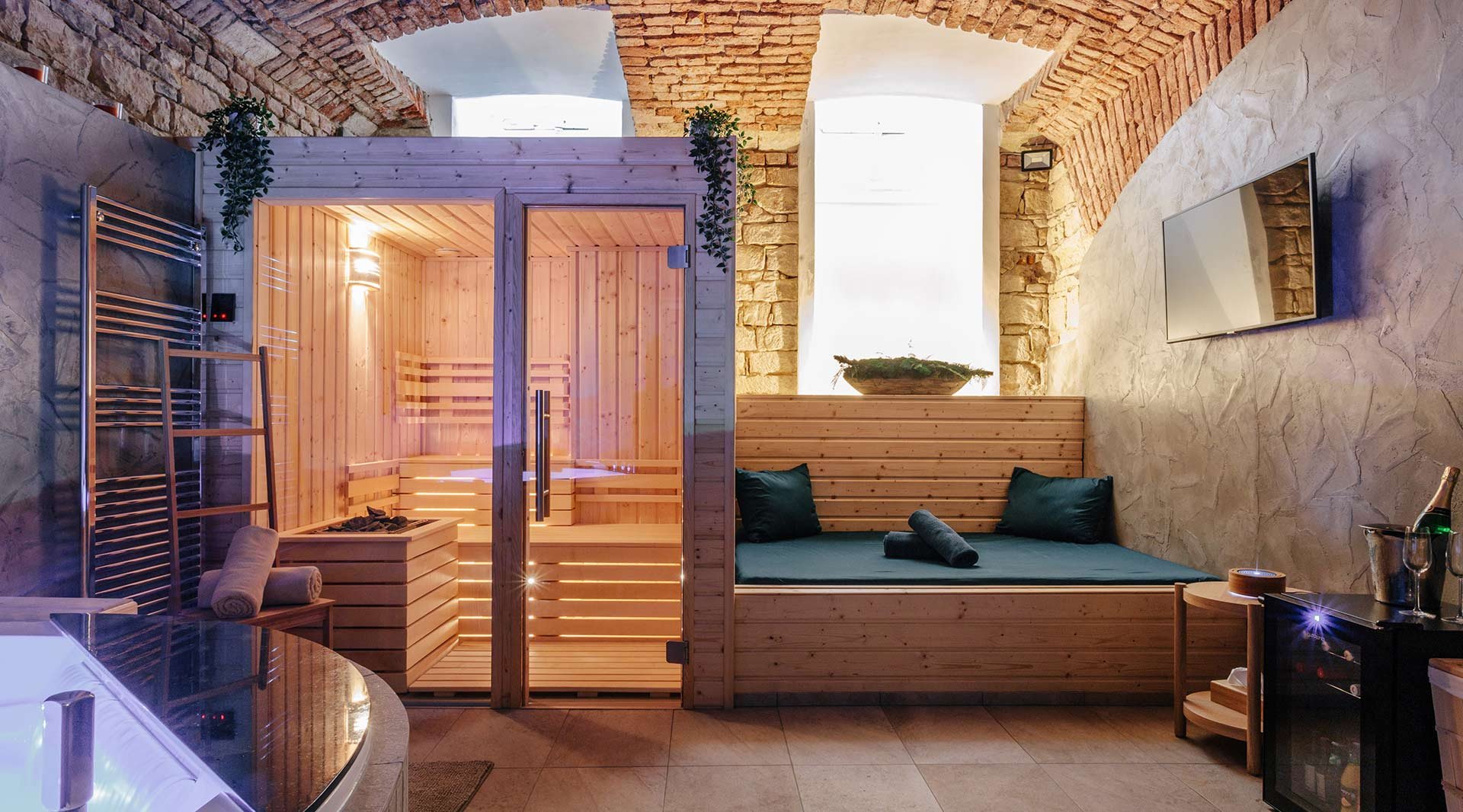
Creating a private wellness room has become an increasingly popular way for homeowners to enjoy relaxation without leaving the comfort of home. Whether the space includes a sauna, relaxation area, or other wellness features, thoughtful planning helps ensure the finished room is both comfortable and functional for many years.
A successful wellness room involves more than choosing attractive finishes. Heating systems, ventilation, available space, electrical requirements, and ongoing maintenance should all be considered before construction begins. Careful planning helps avoid costly changes later while creating a space that suits everyday use.
Understanding the key design considerations allows homeowners to make informed decisions from the very beginning.
Choose The Right Heating System

Homeowners planning a sauna should explore Tylo sauna heater (check here)options to better understand how different heating systems vary in performance, energy efficiency, temperature control, and suitability for different sauna sizes and personal wellness preferences.
Selecting the correct heater depends on several factors, including the dimensions of the sauna, insulation quality, expected frequency of use, and the preferred sauna experience. Choosing equipment that matches the room’s specifications helps achieve consistent heating while improving overall efficiency.
Professional installation also ensures the heating system operates safely and complies with relevant electrical and building requirements.
A well-matched heater forms the foundation of a comfortable and enjoyable sauna experience.
Plan The Space Carefully
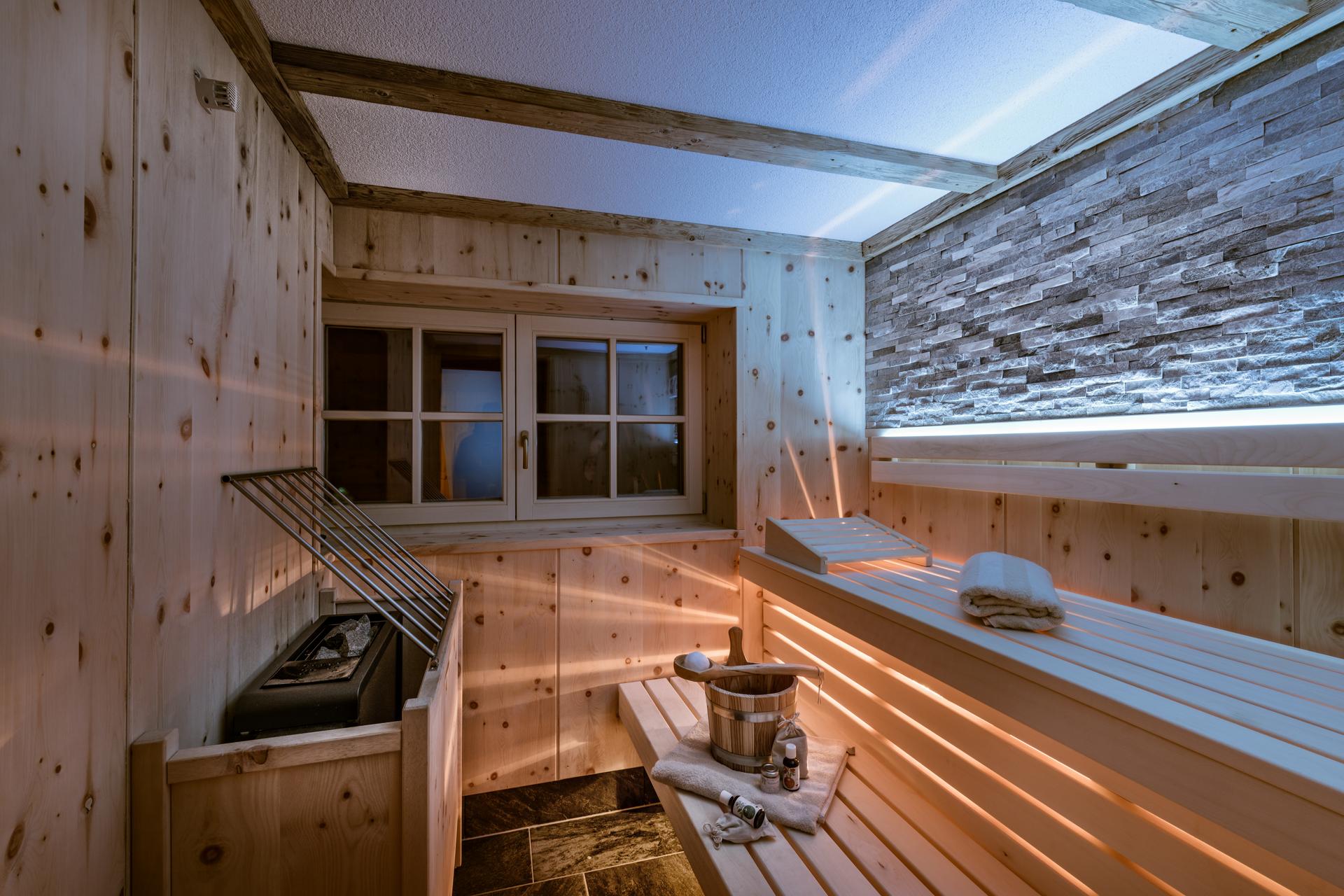
The layout of a wellness room has a significant impact on comfort and usability. Adequate ventilation, appropriate bench placement, lighting, and moisture-resistant materials all contribute to creating a relaxing environment that remains easy to maintain.
Homeowners should also consider how the room will be accessed, whether additional changing space is required, and how the sauna will integrate with the rest of the home. Planning these details early helps create a more practical and enjoyable space.
Good design balances appearance with functionality to support long-term use.
Careful planning often prevents unnecessary renovations after installation.
Think About Long-Term Maintenance
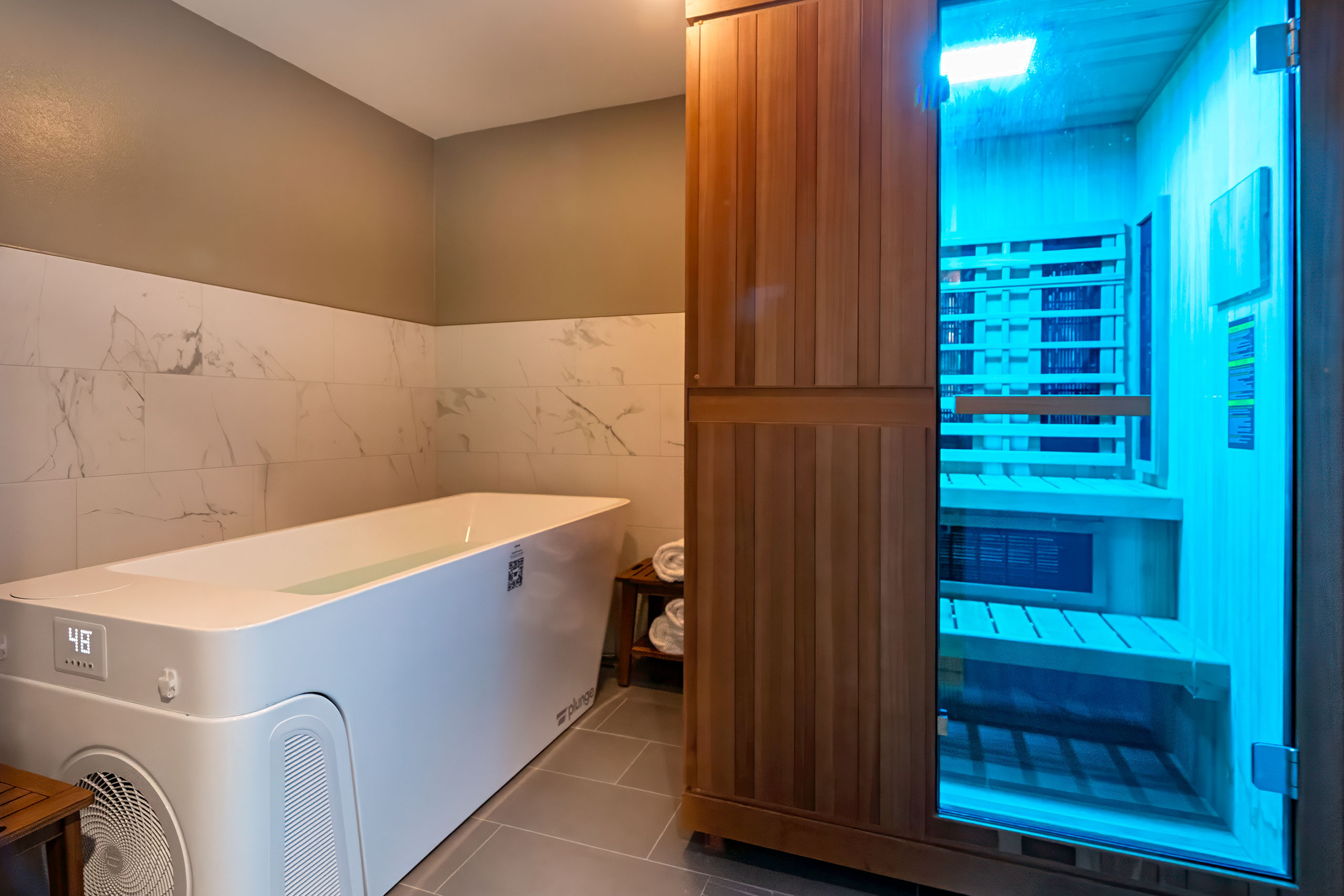
A private wellness room should be designed with durability and maintenance in mind. Choosing quality materials and reliable equipment helps minimise repairs while extending the lifespan of the installation.
Routine cleaning, regular inspections, and following the manufacturer’s maintenance recommendations help ensure the sauna continues operating safely and efficiently over time. Investing in quality components from the beginning can also reduce long-term ownership costs.
Proper maintenance protects both the equipment and the overall wellness experience.
A well-maintained sauna provides lasting comfort and reliable performance for years to come.
Conclusion
Planning a private wellness room involves more than selecting attractive finishes. Choosing the right heating system, designing a practical layout, and considering long-term maintenance all contribute to creating a comfortable, efficient, and enjoyable space.
By taking the time to evaluate each element before construction begins, homeowners can build a wellness room that supports relaxation, adds value to the home, and provides a reliable retreat for many years.