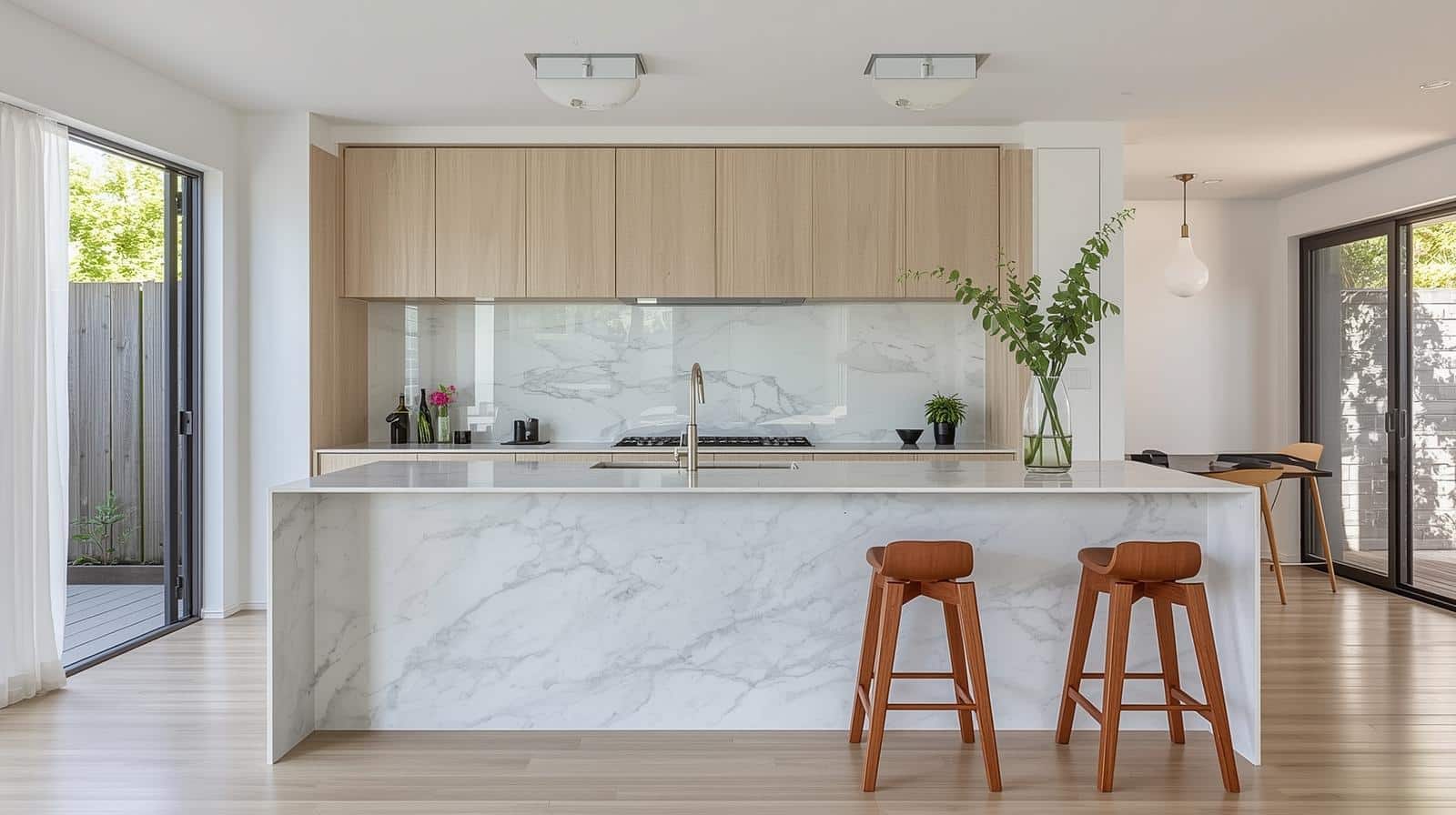
A beautiful kitchen is not created only through large features such as cabinets, worktops, or appliances. While these elements are important, it is often the smaller details that give the space character, balance, and a more polished finish. Thoughtful design choices can turn a practical kitchen into a warm, stylish, and enjoyable part of the home.
Small improvements can also be highly effective because they do not always require a full renovation. By paying attention to finishes, lighting, storage, and decorative touches, you can refresh the look of your kitchen and make it feel more considered. The right details help connect the overall design and create a space that feels both functional and inviting.
Choose Finishes That Add Style and Protection
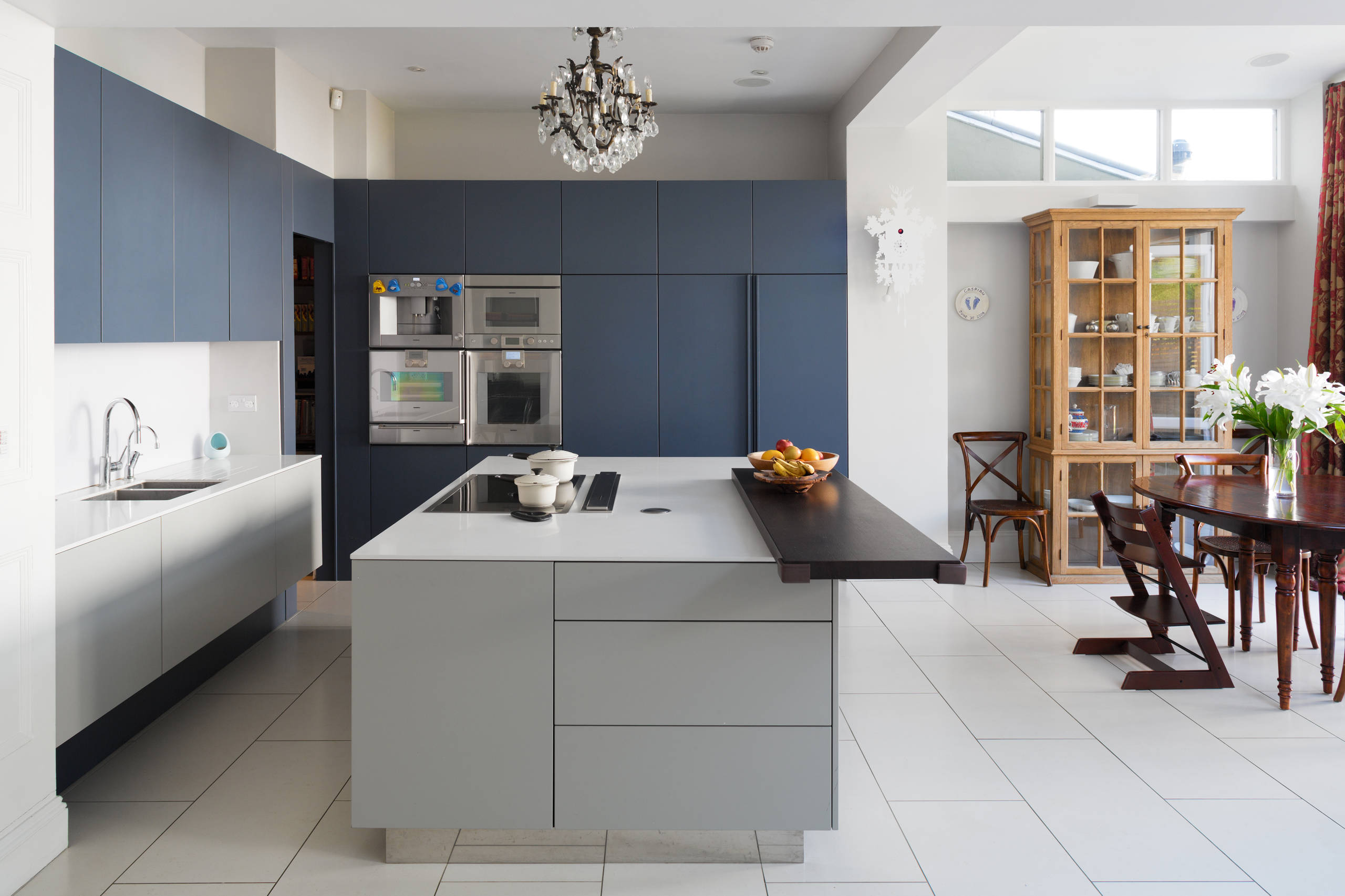
Finishes have a major impact on how a kitchen looks and feels. Handles, taps, tiles, wall panels, and surfaces all contribute to the final result. Even a simple change, such as updating cabinet handles or replacing an old tap, can make the room feel more modern and refined.
One detail that can make a strong visual difference is kitchen splashbacks. They protect walls from moisture, grease, and food splashes while also adding texture, colour, or contrast to the design. A well chosen splashback can become a subtle background feature or a bold focal point, depending on the style of the kitchen.
Materials also matter. Glass, stone, stainless steel, ceramic, and acrylic options each create a different effect. Choosing a finish that complements your worktops and cabinets helps the kitchen feel coordinated rather than unfinished.
Use Lighting To Improve Atmosphere and Function
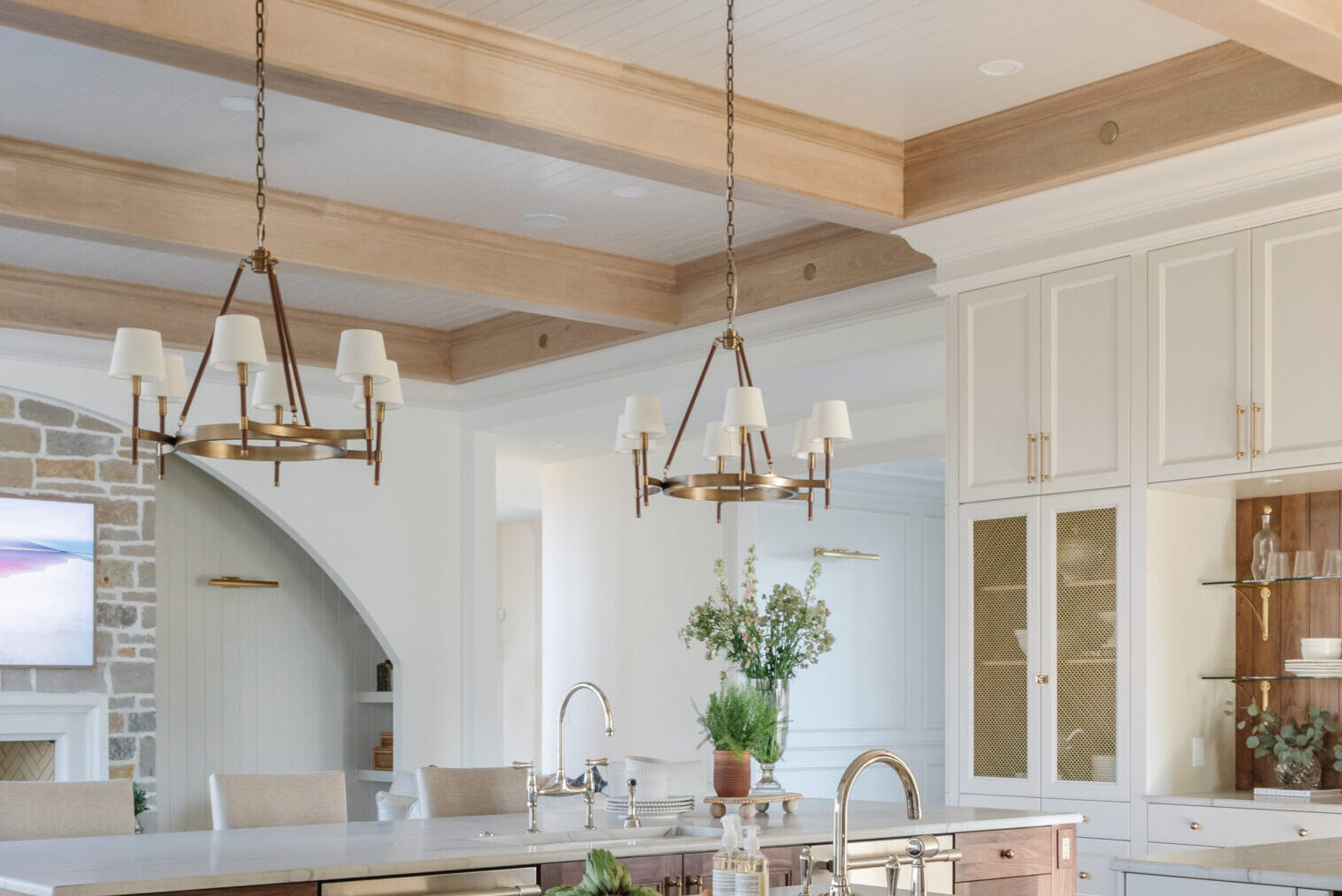
Lighting is one of the most powerful design details in any kitchen. A room may have beautiful cabinets and surfaces, but poor lighting can make it feel dull or impractical. Good lighting should support both daily tasks and the overall atmosphere of the space.
Task lighting under cabinets helps illuminate work surfaces, making cooking and food preparation easier. Pendant lights above an island or dining area can add style while creating a defined focal point. Soft background lighting can make the kitchen feel warmer and more welcoming in the evening.
The choice of bulbs is also important. Warm light can create a cosy atmosphere, while cooler light may be better for detailed tasks. A layered lighting plan gives you more control and allows the kitchen to adapt to different times of day and uses.
Add Practical Storage and Personal Touches
Storage details can improve both the appearance and usability of a kitchen. Drawer dividers, pull out shelves, hidden bins, and neatly arranged pantry storage all help reduce clutter. When surfaces are clear, the entire kitchen feels larger, cleaner, and more organized.
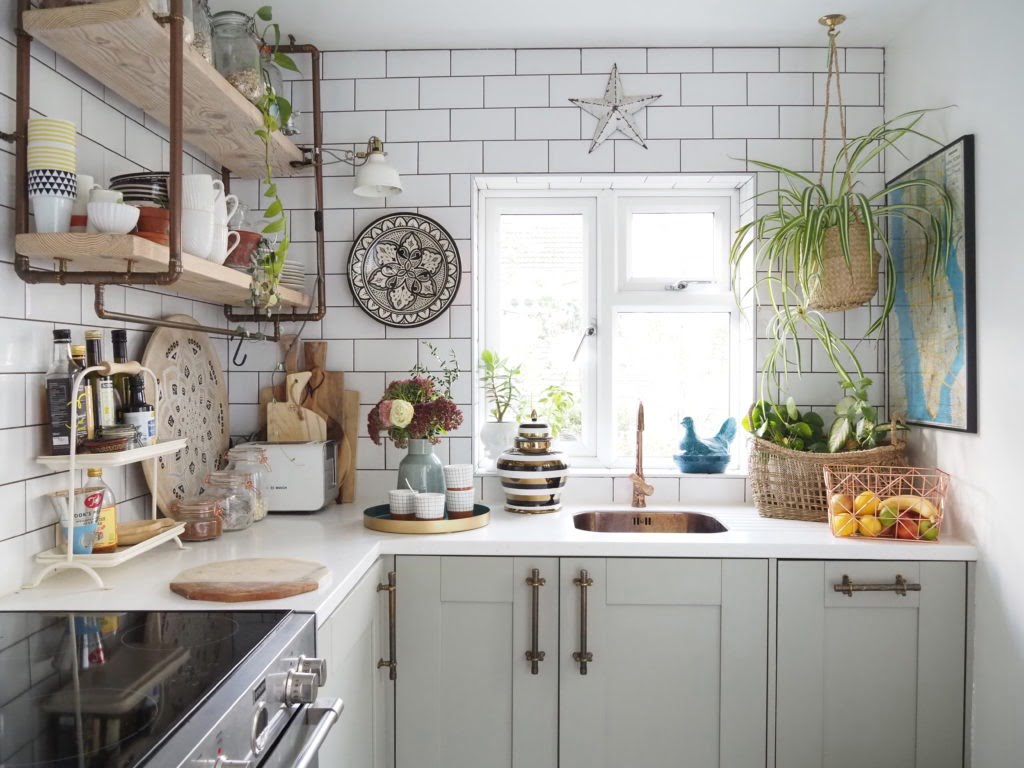
Open shelving can also be useful when styled carefully. It gives you a place to display attractive dishes, jars, plants, or cookbooks, adding personality without overwhelming the room. The key is to keep it balanced and avoid overcrowding.
Personal details help make the kitchen feel lived in and unique. A small plant, framed print, decorative bowl, or carefully chosen textile can soften the space and add warmth. These details may seem minor, but they help create a kitchen that feels complete rather than purely functional.
Conclusion
Small details can have a big effect on kitchen design. Finishes, lighting, storage solutions, and personal touches all help shape the look and feel of the room. By choosing these elements carefully, you can lift the entire space without needing a full renovation. A well designed kitchen is not only practical, but also comfortable, stylish, and enjoyable to use every day.