Ask players why they stay on one platform instead of another and you will hear about games, bonuses, odds, stream quality. The thing that quietly decides it is the cashier. How fast money goes in, how fast it comes out, and whether the method already sitting on their phone even appears in the list.
That shift is now measurable. Digital wallets handled 56% of global online spending in 2025, according to the Worldpay Global Payments Report, and in Asia-Pacific the figure reached 77%. Payment rails have moved from back-office plumbing to the thing that shapes who plays where, and how much they spend once they get there.

Payments stopped being a back-office problem
For most of the last decade, an entertainment platform treated its cashier as plumbing. Add a card gateway, maybe one wallet, ship it. Players put up with the friction because every competitor did the same thing.
Now the friction lands on the revenue line. Paysafe surveyed 5,000 gamers across eight countries in mid-2026 and found that 64% had abandoned a purchase because of a checkout problem. The most cited single cause was the payment method they wanted not being offered. Almost half said a faster checkout would make them spend more.
That reframes where the money should go. A welcome bonus costs real cash on every signup. A cashier that fails one deposit in five costs more, and the fix is usually configuration rather than budget. My read is that most platforms still overpay to acquire players and underpay to make paying easy.
Four rails, and a 3 to 5 times cost gap
Online entertainment runs on a small set of payment rails, and they behave nothing alike. Operator-side estimates in the 2026 iGaming payments industry report put the spread between the cheapest and the most expensive at 3 to 5 times, before anyone counts chargebacks.
| Rail | Operator cost | Deposit speed | Chargeback risk | Where it leads |
|---|---|---|---|---|
| Cards (Visa, Mastercard) | 3% to 7% | Instant | High | US, Southern Europe |
| E-wallets (Skrill, Neteller, PayPal) | 1% to 3% | Instant | Low | UK, EU |
| Open banking / Pay by Bank | 0.5% to 2% | Instant | None | Nordics, Netherlands |
| Crypto / stablecoins | 0.5% to 1.5% | Instant to 30 min | None | Offshore, LATAM, Asia |
| Bank transfer | $0.50 to $2 per transaction | 1 to 3 days | None | EU, US |
Figures are operator-side estimates current as of mid-2026. Card costs include the gambling surcharge many acquirers apply.
The row worth pausing on is open banking. In the Nordics it already carries around half of all deposits, which makes it a mandatory integration for anyone serving that market. In Brazil, the comparable rail, Pix, sits near 96%. Launch a platform in either place without it and you have decided to lose most of your potential deposits before a single game loads.
Why e-wallets still own the habit
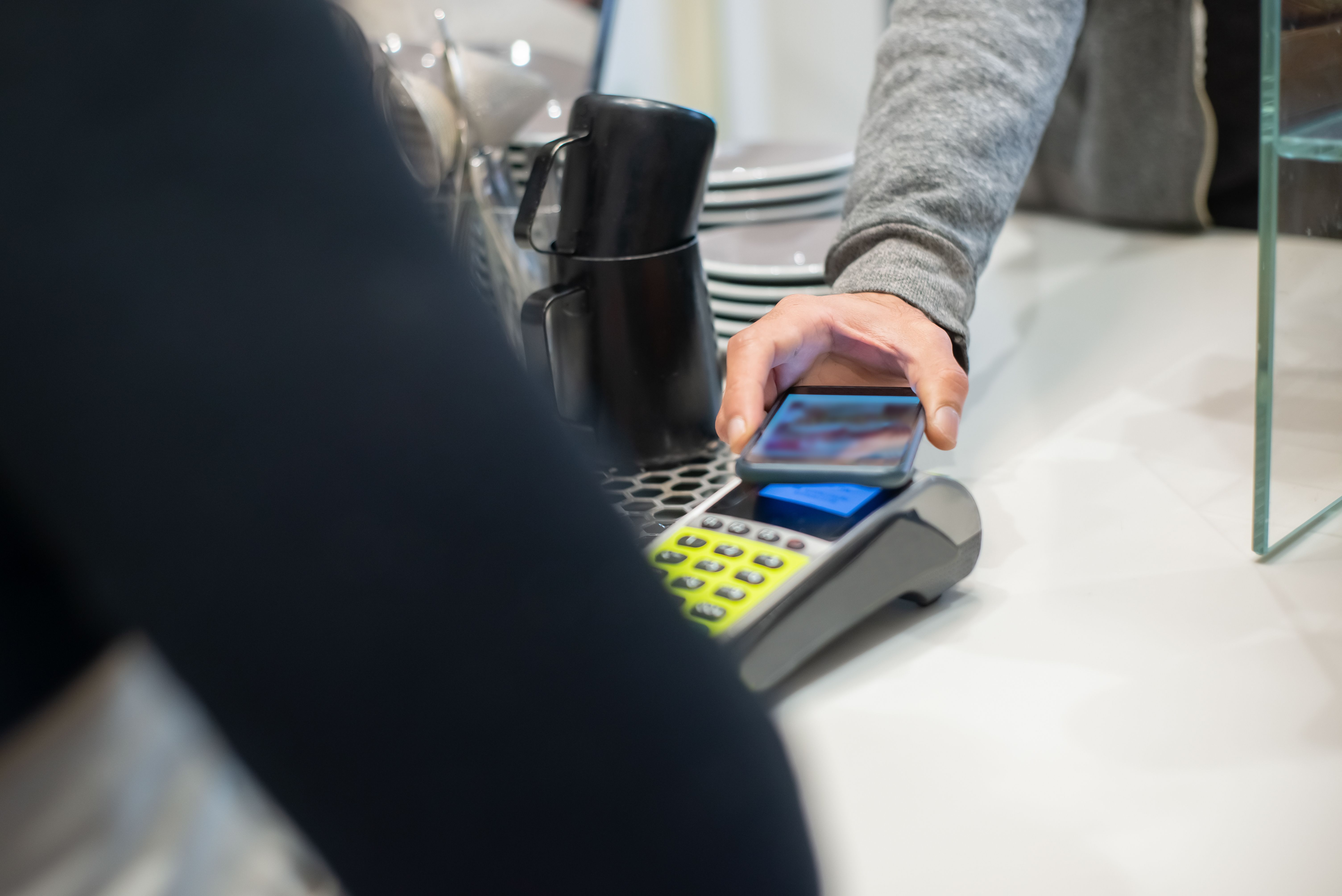
Digital wallet users passed 4.4 billion in 2025 and are projected to reach roughly 6 billion by 2030, based on Juniper Research forecasts. That install base is why wallets keep topping payment preference surveys, including among players who have plenty of alternatives. Across gaming purchases specifically, debit cards sit at 41%, digital wallets at 35% and mobile wallets at 34%, which is a wider spread than most platform cashiers reflect.
Wallets win on mechanics as much as familiarity. The balance is pre-funded, so an issuer cannot block a gambling transaction after the fact. Deposits clear instantly, and withdrawals back to the wallet usually land inside a day. Operators pay somewhere between 1% and 3%, which sits below cards once gambling surcharges are added.
There is a catch that platforms rarely advertise. Many bonus terms exclude e-wallet deposits outright, on the theory that they are easier to abuse. I think that exclusion is showing its age. A verified Skrill account is no more anonymous than a debit card in a regulated market, and punishing the fastest, cleanest rail available pushes players toward slower ones for no real security gain.
Crypto has two completely different stories

Crypto gambling crossed an estimated $81 billion in wager volume in 2025, with stablecoins now the default asset at the cashier. Demand is no longer confined to offshore operators. In a Paysafe survey of 2,550 US bettors released in June 2026, 83% said they wanted to fund wagers with crypto, and 64% already owned some. Asked to rank methods, 45% picked crypto behind digital wallets at 55% and debit cards at 50%.
Then the fine print. Among the nine US states surveyed, only Colorado and Wyoming explicitly permit crypto deposits for sportsbooks, and no state allows crypto withdrawals. A headline about 83% appetite therefore describes a market that mostly cannot use the feature yet.
I think the honest way to read this is that crypto is two trends wearing one name. In regulated Europe it is a modest share, mostly stablecoins moving in the settlement layer. In offshore and emerging markets it is often the primary rail, growing for unglamorous reasons: speed, low fees, and access for people without reliable banking.
The compliance bill keeps getting larger
Nothing about digital payments stays cheap for long once regulators arrive. The EU’s Markets in Crypto-Assets rules ended their transitional window on 1 July 2026, which means crypto payment providers serving regulated European markets now need full authorisation. Operators that built a cashier around an unauthorised provider lost the ability to process in key markets on a fixed date.
The risk picture is not hypothetical. The FATF’s September 2026 assessment of gaming and gambling risks names e-wallets, mobile money and virtual assets as especially vulnerable to money laundering, and notes that illegal offshore gambling rivals or exceeds the legal market in some countries. Britain’s Gambling Commission, in its July 2026 risk assessment, rates cryptoasset transactions as high risk for remote betting and e-wallets as medium. Ireland went further in August 2026, committing to mandatory closed-loop payments and a formal source-of-funds standard for crypto deposits by mid-2027.
This is where I part company with the loudest crypto optimists. The cost savings are real, and so is the removal of chargebacks. Those advantages come with a compliance floor that keeps rising. Operators that treat crypto as a checkbox rather than a licensed, auditable part of the payment stack are the ones who will absorb the fines later.
What to check before you commit to a platform
If you are choosing where to spend, look at the cashier the way an operator does. A few checks separate a platform that respects your time from one that will hold your money for a week.
- Does it list your rail, and does it support withdrawals on that same rail?
- Is the payout time stated, or buried behind a support ticket?
- Are fees disclosed in the cashier before you deposit?
- Does the licence and its regulator appear where you can actually read them?
Closed-loop withdrawals, where your winnings return to the method you deposited with, are worth more than they sound. They clear faster, and they satisfy source-of-funds checks without a document upload. A platform that routes payouts back down the deposit rail has thought about payments. One that only speeds up deposits has thought about its own cash flow.
You can see this in person at a modern cashier. If you already hold an account, a quick PlayBaze login shows which rails are live for your country and currency in seconds, and whether payouts return to the same method. That single page tells you more about how a platform is run than any bonus banner.
FAQ
Are e-wallets the fastest way to withdraw from an online platform?
Usually. E-wallets such as PayPal, Skrill and Neteller typically settle withdrawals within a few hours, and sometimes minutes. Open banking can match them at operators that built two-way support, while cards and standard bank transfers lag by one to five business days.
Is crypto cheaper than cards for online payments?
On processing cost, generally yes. Crypto and open banking run roughly 0.5% to 1.5% and 0.5% to 2% respectively, against 3% to 7% for cards once gambling surcharges are added. The gap narrows after compliance, KYC and conversion costs are included.
Why do so many bonus offers exclude e-wallets?
Operators have historically treated wallets as harder to police for bonus abuse. In regulated markets the distinction has weakened, since wallet accounts are identity-verified, but old terms often remain unchanged.
Which payment method is most regulated right now?
Crypto. Since the EU’s MiCA transition ended on 1 July 2026, providers handling crypto payments for regulated European operators need authorisation, and regulators in Britain and Ireland have raised their risk ratings for crypto at betting and gambling platforms.
What does closed-loop payment mean?
It means winnings are returned to the same account you used to deposit. Regulators see it as a way to keep the money trail intact, and players get faster, less document-heavy payouts as a side effect.
How this article was put together
This piece set out to explain how payment rails now shape where people spend on online entertainment, for readers comparing platforms and for anyone curious why the cashier suddenly matters. I worked from the Worldpay Global Payments Report 2026, Paysafe’s 2026 gaming and crypto research, the FATF’s September 2026 gaming and gambling assessment, and regulatory publications from Britain’s Gambling Commission and Ireland’s 2026 AML strategy, all checked in September 2026. Operator cost ranges come from a 2026 iGaming payments industry report and are estimates rather than audited figures. I could not independently verify the crypto gambling volume figure, which is self-reported by industry sources. Payment costs and MiCA enforcement dates will need rechecking if the regulatory timeline shifts.