
Have you ever noticed that two slot machines can look almost identical yet feel completely different over time? One seems to drip out small wins, while another stays quiet for long stretches and then suddenly hits. That difference is not luck alone. It often comes down to a single concept that quietly shapes every spin and hand in casino games: RTP. Understanding what Return-to-Player actually means can change how you read game information, manage expectations, and choose which games feel right for you.
What RTP Really Means in Casino Games
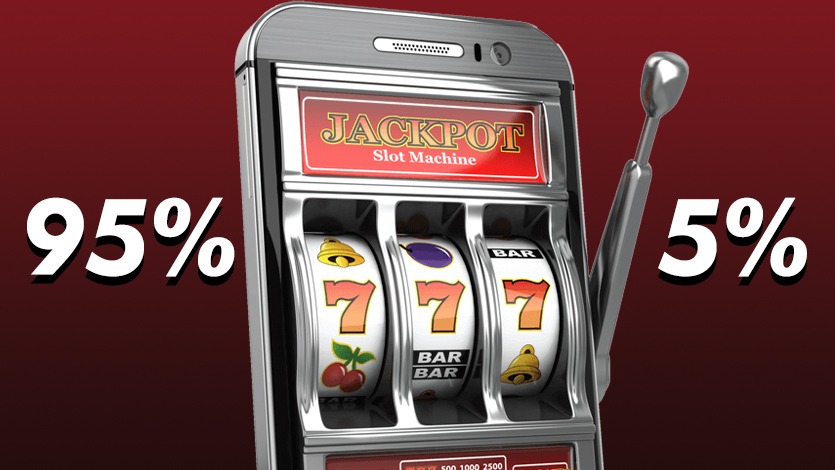
RTP, short for Return-to-Player, is a statistical measure that shows how much of the total money wagered on a game is expected to be paid back to players over the long term. It is expressed as a percentage and calculated across millions of spins or hands, not a single session.
For example, a slot with a 96 percent RTP is designed to return about 96 units for every 100 units wagered, over time. That remaining 4 percent represents the house edge. This does not mean you will personally get back 96 percent of your money in one night.
Key points to keep in mind when reading RTP figures:
- RTP reflects long-term averages, not short-term outcomes.
- Individual sessions can swing far above or below the stated percentage.
- Higher RTP generally favors players, but it does not remove risk.
Why RTP Is a Core Metric When Choosing Games
RTP matters because it gives you a baseline for comparing games objectively. While visuals, themes, and bonus features attract attention, RTP quietly determines how a game behaves financially in the background.
Many players first encounter RTP while browsing online platforms such as 20Bet, where game details are listed clearly and side by side. Seeing RTP next to volatility and bet limits allows players to make more informed choices instead of relying purely on instinct.
When RTP is understood in context, it helps players:
- Compare similar games with different payout structures.
- Avoid games with unusually low long-term returns.
- Match game selection to personal goals, such as longer playtime or higher risk.
RTP does not guarantee outcomes, but it adds transparency to an otherwise unpredictable environment.
How RTP Works in Slot Games

Slots use random number generators to ensure each spin is independent. RTP in slots is programmed into the math model of the game and cannot be influenced by timing, bet patterns, or previous results.
A high RTP slot often gives back small wins more frequently, while a lower RTP slot keeps more value for the house over time. That said, RTP does not describe how often you win, only how much is returned overall.
Common characteristics of slot RTP:
- Fixed at the game design level and cannot be changed by casinos.
- Often ranges between 94 percent and 98 percent.
- Published by developers and sometimes audited by regulators.
Because slots can vary widely in volatility, two games with the same RTP can still feel very different to play.
RTP in Table Games and Why It Varies

Table games calculate RTP differently because player decisions influence outcomes. Games like blackjack or video poker can have multiple RTP values depending on how accurately a player follows the optimal strategy.
In roulette, RTP depends on the version being played. European roulette has a higher RTP than American roulette due to the absence of a double zero. Baccarat and blackjack tend to offer some of the strongest RTPs in the casino when played correctly.
Factors that affect RTP in table games include:
- Rule variations set by the casino.
- Player skill and decision-making accuracy.
- Side bets, which usually lower overall RTP.
This makes table games more dynamic, but also more demanding for players who want to maximize return.
RTP vs Volatility: Understanding the Difference
RTP is often confused with volatility, but the two describe different aspects of a game. RTP tells you how much is returned over time, while volatility describes how that return is distributed.
Low volatility games pay smaller amounts more often, creating smoother sessions. High volatility games may pay nothing for long periods and then deliver a large win. Both can share the same RTP.
A quick way to separate the concepts:
- RTP answers how much comes back over time.
- Volatility answers how that money comes back.
- Session experience depends on both working together.
Understanding this difference helps players align expectations with actual gameplay behavior.
Using RTP as a Practical Decision Tool
RTP becomes most useful when treated as a guide rather than a promise. It works best when combined with bankroll management, time limits, and realistic expectations.
Instead of chasing high percentages blindly, players benefit from balancing RTP with entertainment value and risk tolerance. A slightly lower RTP game may still be enjoyable if it suits your preferred pace and budget.
A practical approach includes:
- Checking RTP before committing to longer sessions.
- Pairing higher RTP games with conservative bet sizing.
- Avoiding assumptions that RTP predicts short-term luck.
Used thoughtfully, RTP helps turn guesswork into informed choice.
In the end, Return-to-Player is not about guaranteeing wins or losses. It is about clarity. RTP gives players a window into how games are built and what they are designed to do over time. When you understand it, you stop asking why a game feels unfair and start recognizing patterns that were there all along. That awareness alone can make casino play feel more controlled, more transparent, and far less mysterious.