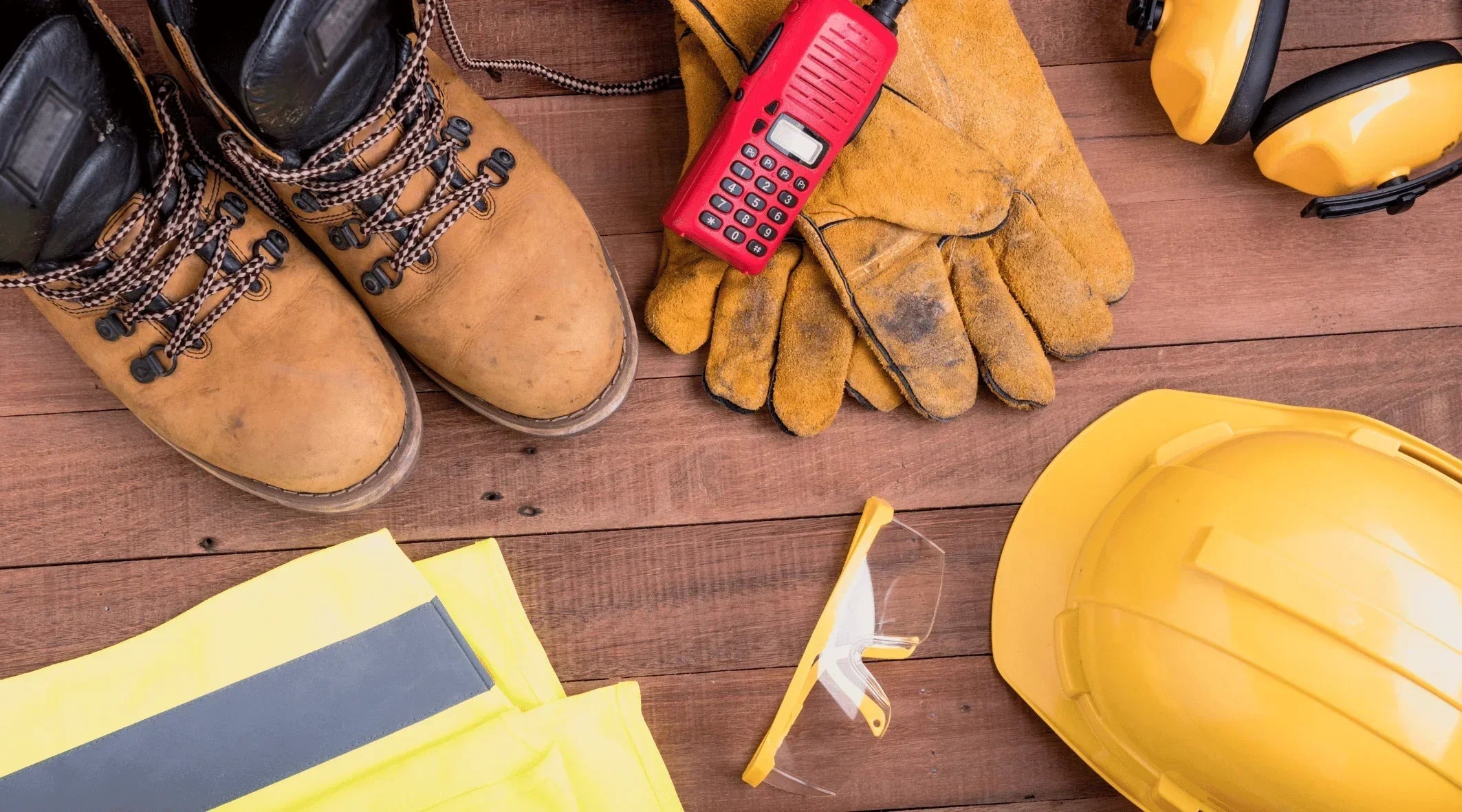
Tradesmen work in environments where hazards change constantly. A job site that feels safe in the morning can become dangerous by the afternoon as equipment moves, materials arrive, and weather shifts.
That’s why safety gear is essential for daily trade work it provides protection against sudden, unpredictable risks that are part of the job.
From construction and electrical work to landscaping and plumbing, proper safety gear keeps workers visible, protected, and able to perform at their best.
Why Safety Gear Is Essential for Trade Work
Unlike office environments, job sites are dynamic and physically demanding. Tradesmen face risks from multiple directions at once.
Daily hazards include:
- Moving vehicles and heavy machinery
- Falling tools and materials
- Electrical exposure
- Slippery or uneven surfaces
- Poor lighting or low visibility
- Weather-related risks
Safety gear reduces these dangers and creates a controlled working environment.
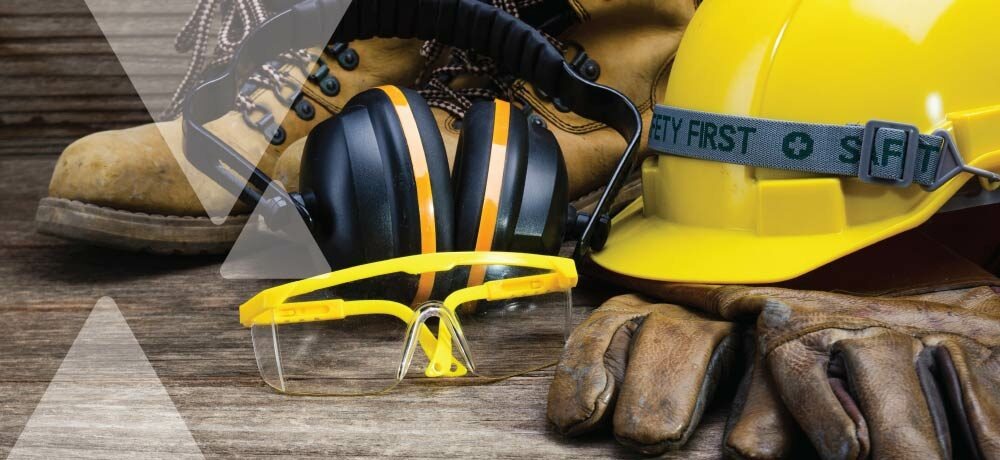
Core Safety Gear Every Tradesman Needs
1. High-Visibility Clothing
Hi-vis vests, shirts, and jackets ensure workers are seen by equipment operators and drivers. Visibility is one of the most effective ways to prevent struck-by accidents.
2. Hard Hats
Protect against overhead hazards, structural impacts, and electrical risks.
3. Protective Gloves
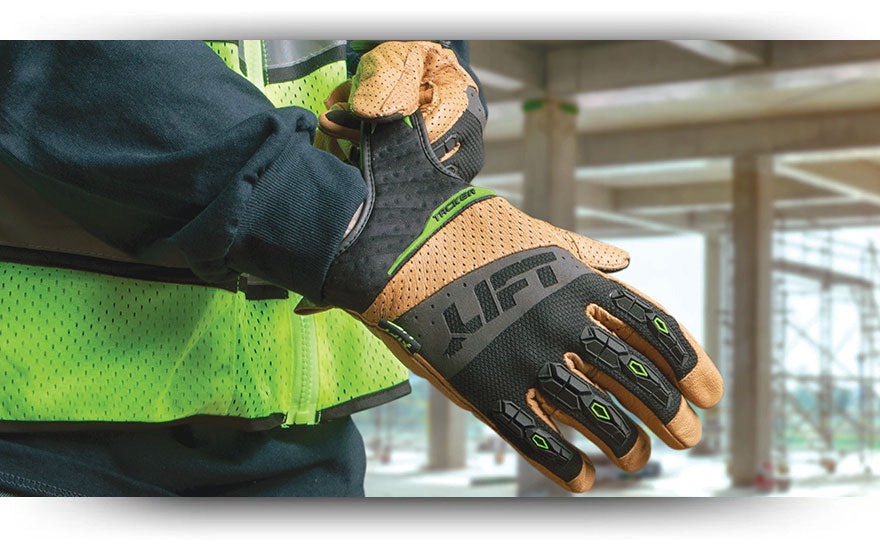
Different gloves protect against different hazards cuts, chemicals, heat, or vibration.
4. Safety Footwear
Work boots with toe protection, slip resistance, and ankle support prevent common lower-body injuries.
5. Eye Protection
Dust, sparks, and debris can cause permanent damage without safety glasses or shields.
6. Hearing Protection
Noise from tools and equipment can cause irreversible hearing loss without protection.
How Safety Gear Improves Job Performance
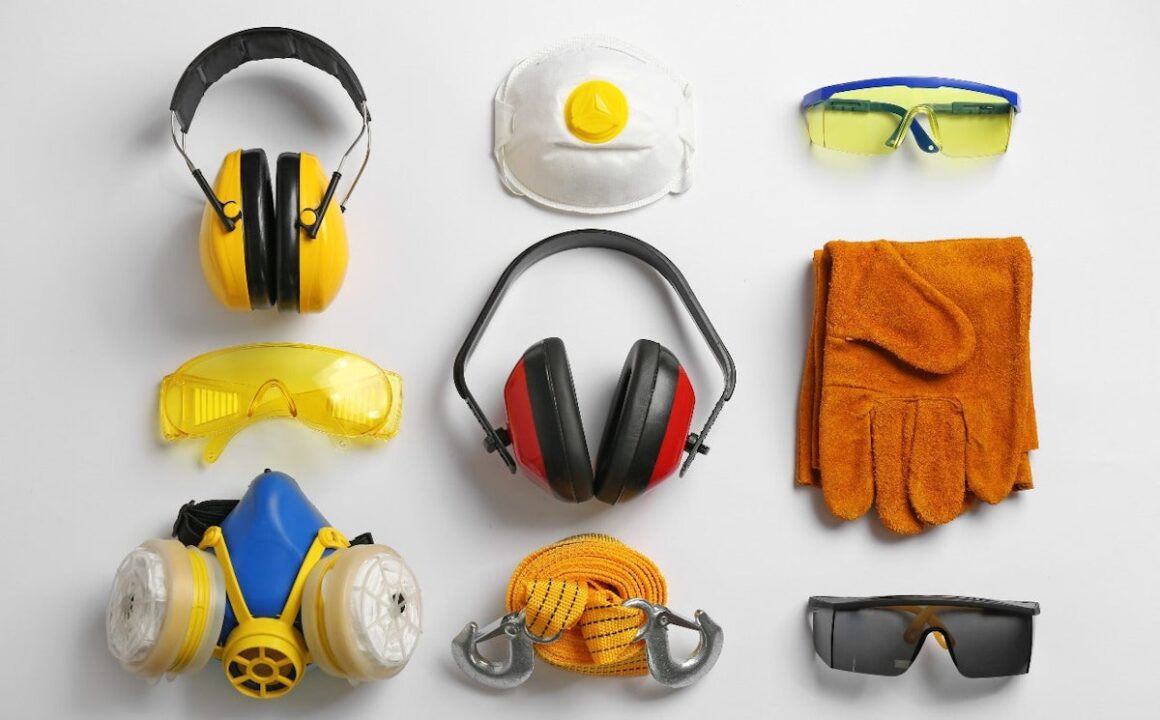
Safety gear doesn’t just protect it improves efficiency.
Benefits include:
- Increased confidence while working
- Reduced fatigue and strain
- Better focus and awareness
- Fewer interruptions from injuries
- Improved teamwork and coordination
Workers who feel protected work more effectively.
Trade-Specific Safety Gear Considerations
Different trades face different risks.
Construction & Carpentry
- Hard hats
- Hi-vis clothing
- Cut-resistant gloves
Electricians
- Electrically rated gloves
- Insulated footwear
- Arc-rated face protection
Plumbers & HVAC
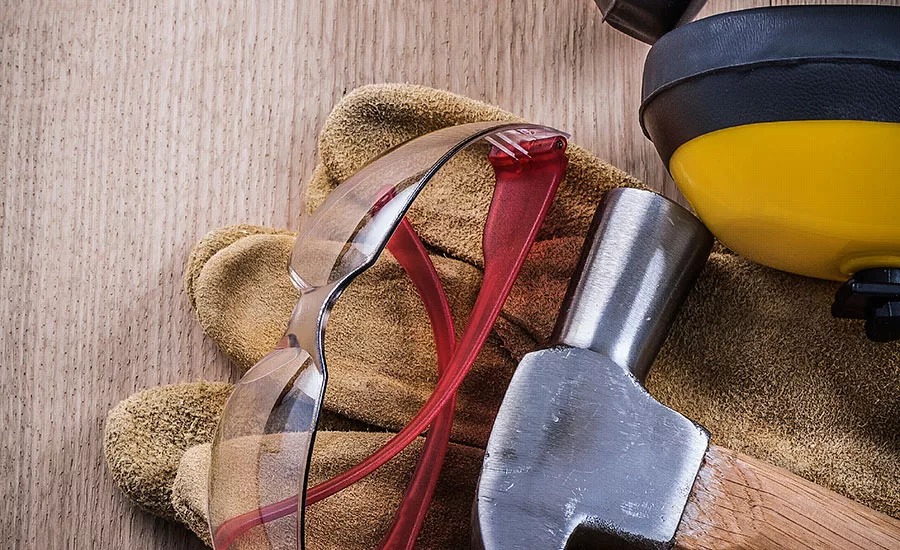
- Eye protection for confined spaces
- Gloves for sharp materials
- Head protection in mechanical rooms
Landscaping & Gardening
- High-visibility apparel
- Eye protection from debris
- Hearing protection for power equipment
Choosing the right gear for the task is critical.
Why Consistency Matters
Wearing safety gear only “when it feels necessary” leads to injuries.
Consistent use:
- Builds strong safety habits
- Reduces complacency
- Prevents near-miss incidents
- Sets a professional example
Consistency keeps workers safe even when conditions change unexpectedly.
Fit, Maintenance, and Replacement Matter More Than People Think
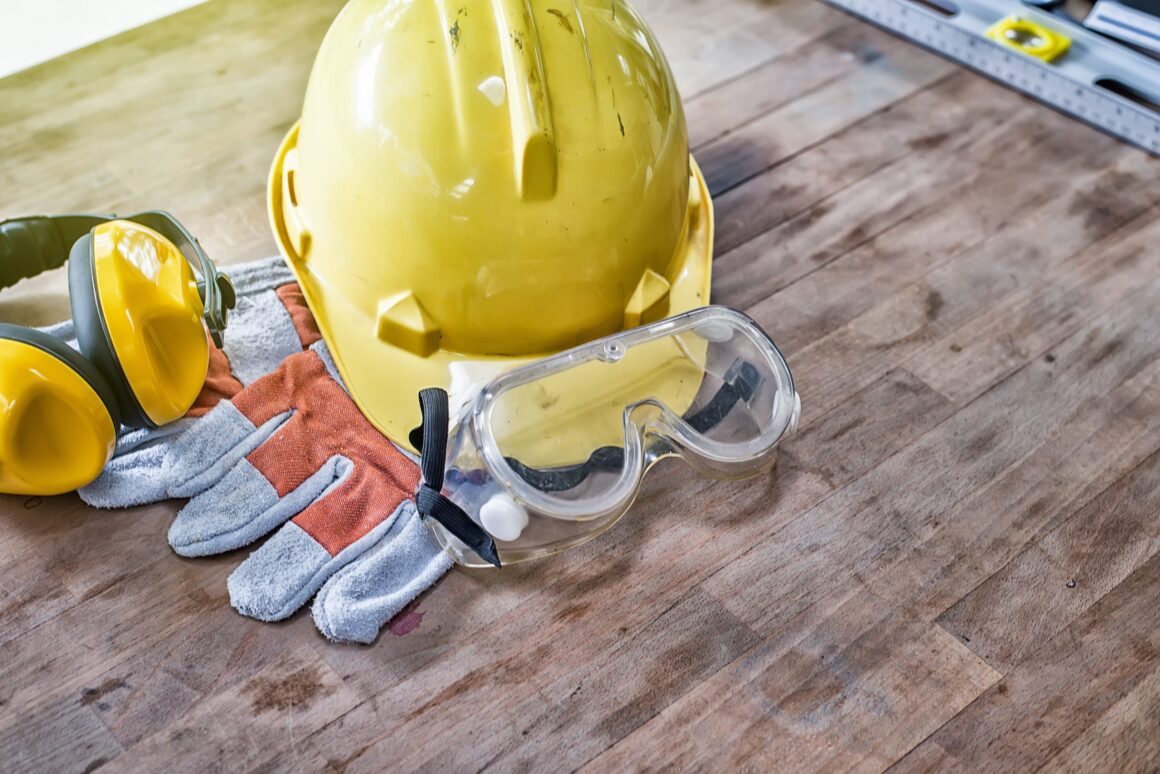
Safety gear only works when it fits properly and stays in good condition. A loose hard hat, worn-out gloves, or boots with smooth soles reduce protection and create new risks instead of preventing them.
Tradesmen often keep gear longer than they should, especially when it still “looks fine,” but damage is not always visible.
Proper fit improves comfort and reduces fatigue during long workdays.
Gloves that are too stiff limit grip, eye protection that fogs causes workers to remove it, and poorly fitted boots strain joints over time.
When safety gear becomes uncomfortable, it’s less likely to be worn consistently.
Regular inspection helps catch issues early. Cracks in helmets, frayed straps, weakened toe caps, or compromised insulation are signs gear should be repaired or replaced.
Weather exposure, repeated impacts, and daily wear all shorten equipment lifespan.
Maintaining safety gear is part of maintaining the worker.
Clean, well-fitted, and up-to-date protection keeps tradesmen safer, more comfortable, and more likely to use it without hesitation.
Final Thoughts
Trade work demands physical effort, awareness, and responsibility. Safety gear ensures tradesmen can meet those demands without unnecessary risk.
Wearing proper gear every day isn’t just about compliance it’s about protecting your body, your livelihood, and your future in the trades.