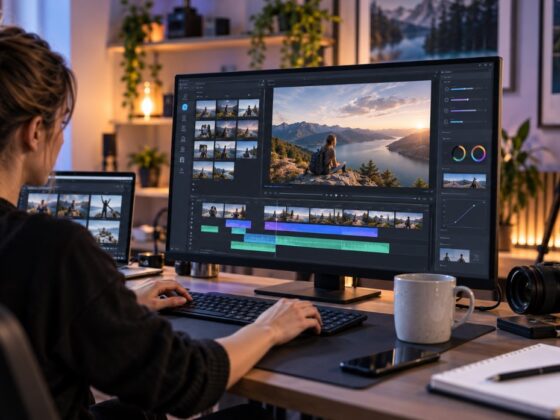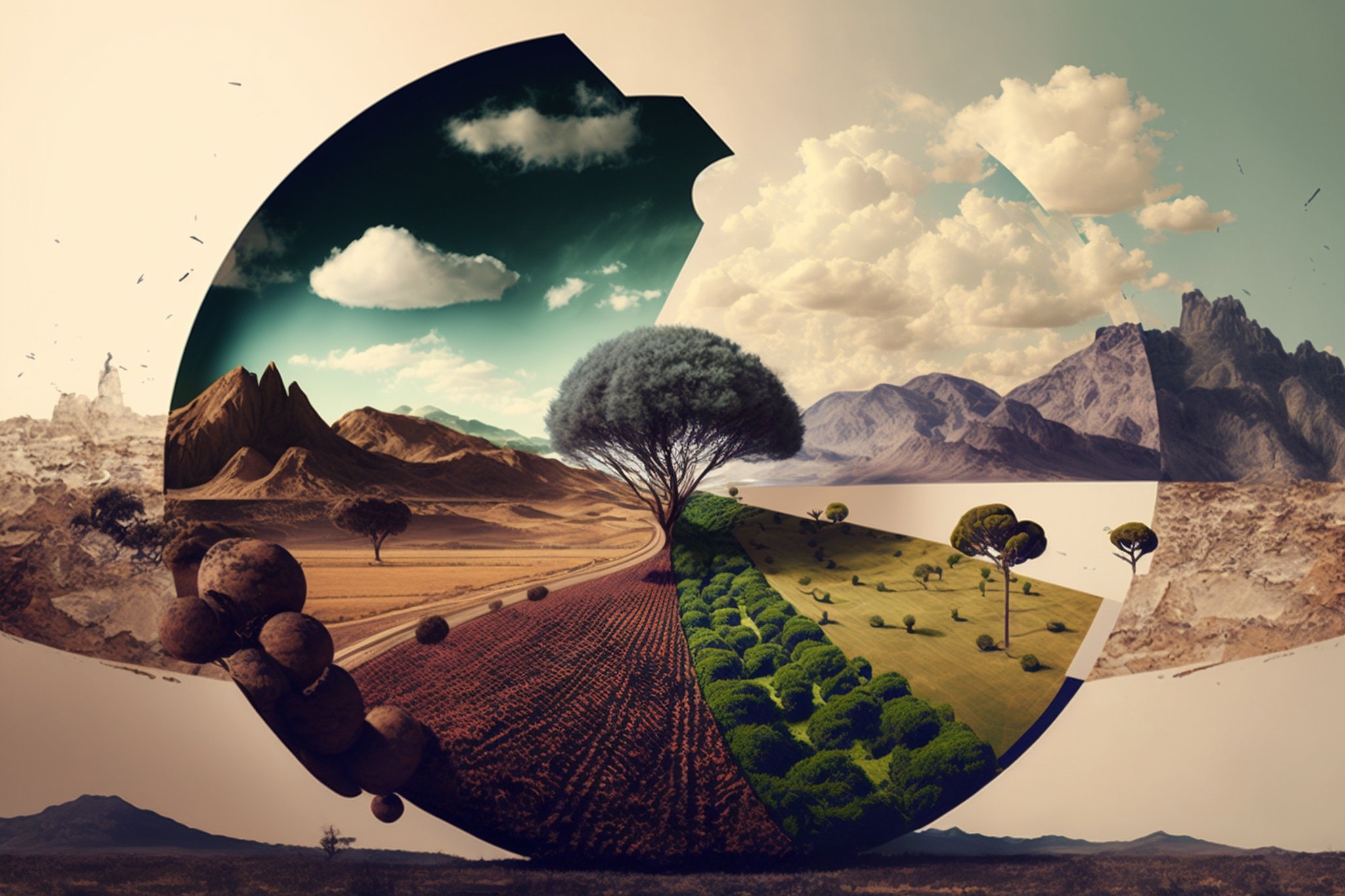
Making visual content traditionally required design skills, suitable software, real time. Even a simple illustration means choosing a concept, finding suitable assets, adjusting layouts, and refining the final composition. AI’s changing that. Generate images from written descriptions and other input instead.
AI image generation has developed fast, genuinely useful now for designers, marketers, educators, content creators, and everyday users. Not replacing every traditional design method here. Just another way to explore visual ideas and produce initial concepts a lot more efficiently.
What AI Image Generation Actually Is
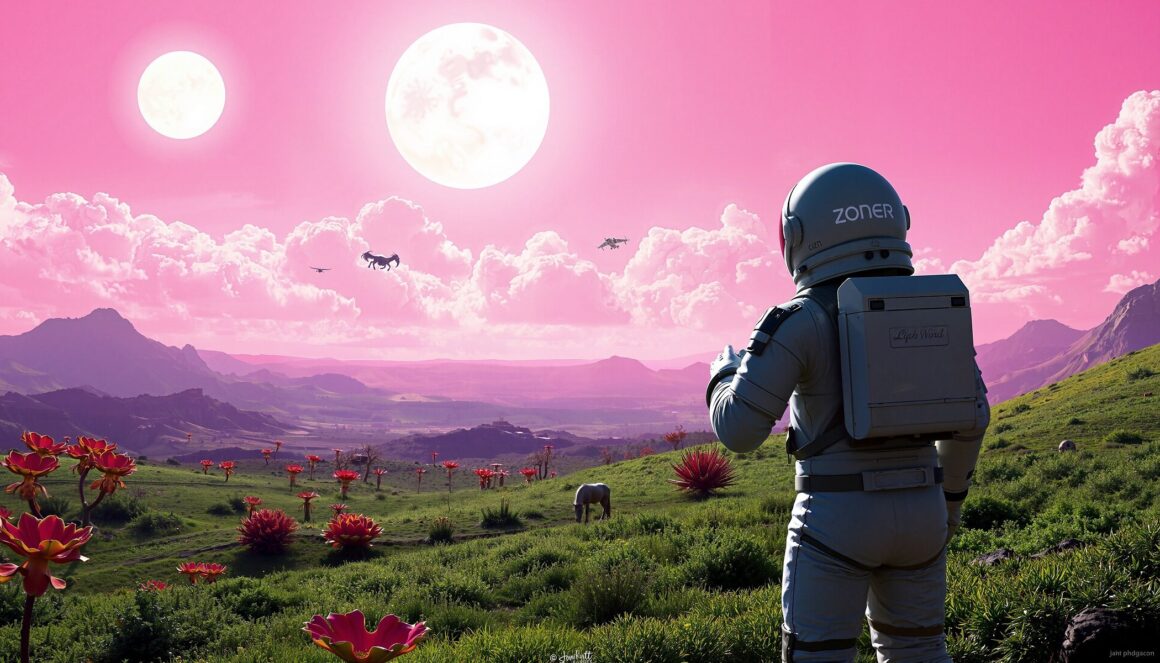
Tech using machine-learning models to create visual content off instructions from a user. Could be a short description, a detailed prompt, sometimes an existing image guiding the generation.
Modern models train on huge collections of visual and text info. Through that training, they learn relationships — words, objects, colors, styles, compositions, other visual characteristics, all connected. Give it a prompt; the system interprets the instructions and generates an image matching the requested characteristics.
A prompt describing a quiet mountain village at sunrise produces houses, mountains, trees, atmospheric lighting, and other elements tied to that description. All from one line of text.
How Text-to-Image Systems Actually Work
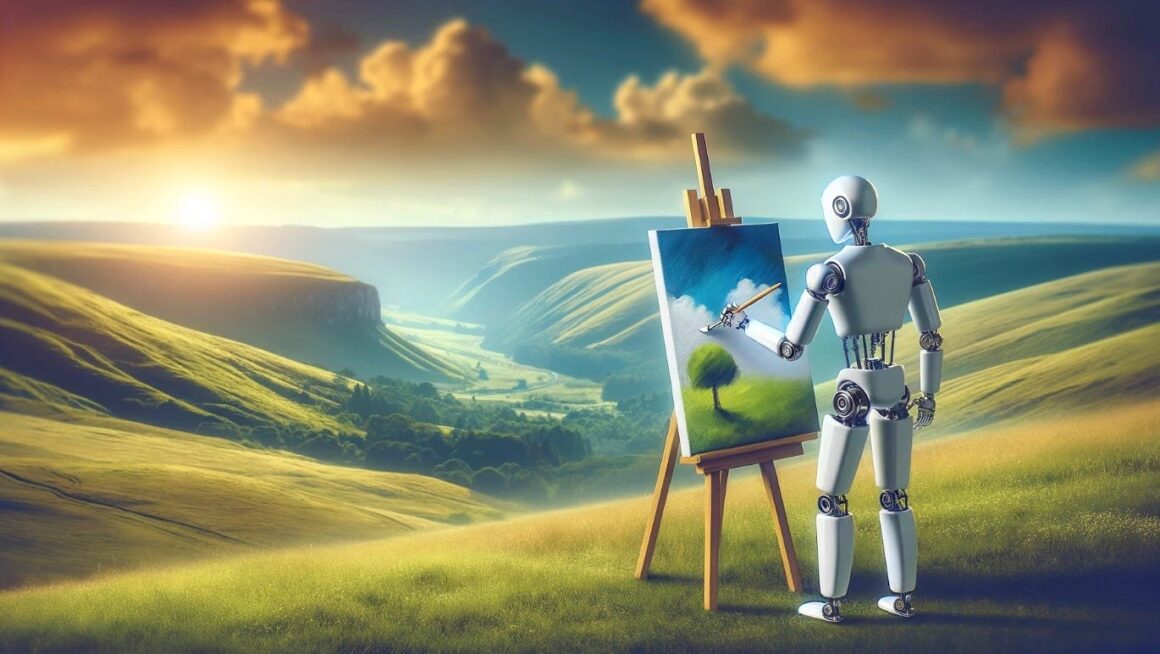
Results look almost instant. A lot’s happening behind the scenes, though. AI first interprets the prompt’s meaning and identifies important concepts within it. The model leans on its learned representation of visual patterns and constructs an image from there.
A lot of modern systems run diffusion-based approaches. Simplified — these models learn how to transform visual noise into increasingly structured imagery. During generation, the system gradually produces an image matching the concepts identified in the instructions.
Exact tech varies between platforms. Different models produce noticeably different results from the same prompt. Training data, model architecture, resolution, available controls — all of it shapes the actual output.
Writing Genuinely Better Prompts
Quality of an AI-generated image often depends on how clearly the desired result gets communicated. A vague prompt leaves a ton of visual decisions to the model. A detailed prompt gives a lot stronger direction instead.
A useful prompt describes the subject, environment, composition, lighting, perspective, mood, visual style. Instead of “a city street,” specify a rainy evening street, illuminated shop windows, reflections on wet pavement, pedestrians carrying umbrellas, a cinematic perspective. Real direction, not a guess.
Adding unnecessary details doesn’t always improve an image, though. Effective prompting’s usually iterative. Start with a basic description, examine the result, adjust the instructions to fix specific problems. Repeat.
Where This Stuff Actually Gets Used
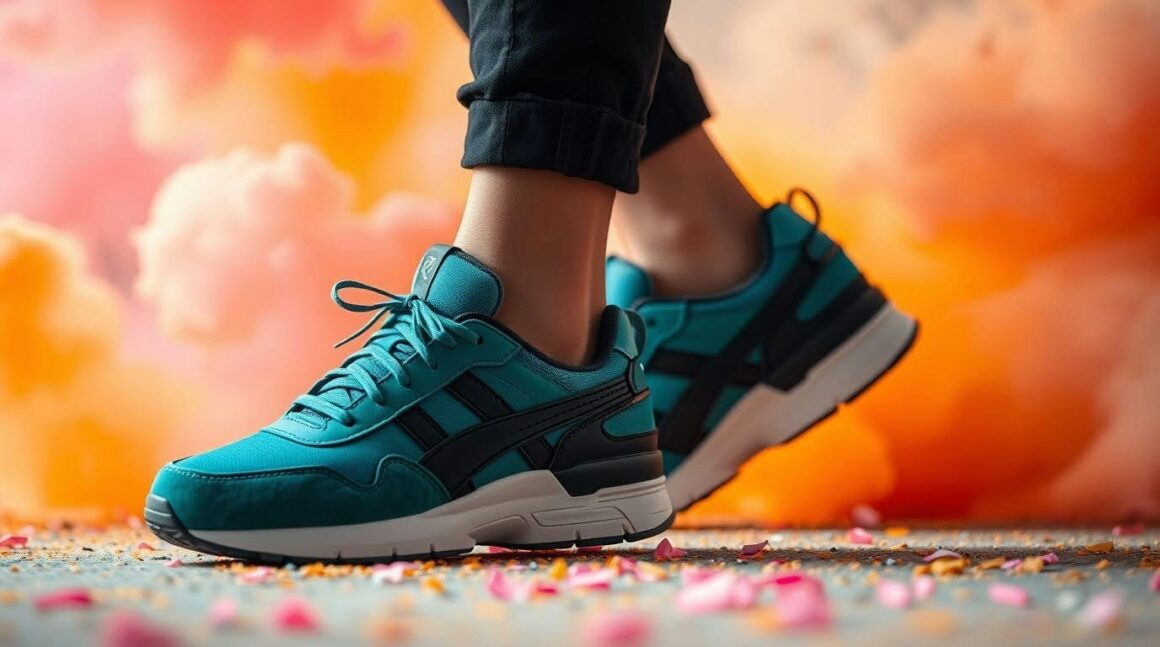
AI-generated visuals support a genuinely wide range of creative activities. Bloggers develop conceptual illustrations. Social creators explore visual ideas before producing finished posts. Designers use generated images during brainstorming and early-stage concept development.
For anyone exploring these possibilities, an AI image generator offers a genuinely practical way to experiment with text-based visual creation. No starting every project from a blank canvas.
Educational content’s another real application. Teachers and students use generated illustrations to visualize historical settings, scientific concepts, fictional environments, abstract ideas. Businesses build preliminary concepts for presentations, campaigns, product mockups, and internal discussions too.
How useful generated imagery is really depends on the purpose. A quick concept needs a simple output. Professional publishing demands substantial editing and human review on top.
Real Limits and Challenges
For all their capability, AI image-generation systems aren’t perfect. They misunderstand prompts. Produce inconsistent details. Generate objects that look genuinely unusual. Text inside images can be hard for some models too, especially with precise spelling or complex typography.
Consistency’s another real challenge. Creating several images with exactly the same character, product, or environment needs specialized controls, or additional editing on top. Matters a lot for illustrated stories, advertising campaigns, and branded visual series.
Why Human Editing Still Genuinely Matters

AI generation doesn’t eliminate the need for human judgment. Generated images work best as part of a bigger creative process — people reviewing, modifying, refining the results afterward.
An editor might need to correct proportions, remove unwanted elements, adjust colors, improve composition, and combine generated imagery with other assets. Human review matters most when accuracy counts — educational, technical, medical, professional communication.
This combination of automation and human creativity makes visual development genuinely more flexible. Instead of spending all their time producing basic visual elements manually, creators devote more attention to selecting concepts, refining ideas, and communicating a specific message.
Where AI Image Creation Is Actually Headed
This tech is likely heading toward greater control, consistency, and integration with other creative tools. Future systems might make it easier to hold a character’s appearance steady across multiple images, edit individual elements through natural language, and combine generated visuals with video and interactive media.
Best understood as an evolving creative tool. Not a complete replacement for conventional design. Real value’s helping people explore ideas, test possibilities, speed through parts of the visual-production process.
As these systems get more accessible, understanding both their capabilities and limits matters more, not less. Good results depend on more than the underlying model — thoughtful prompting, careful evaluation, creative direction, responsible use. All of it, together.