
Planning a Germany vacation sounds simple until you start looking at all the options. Big cities, smaller towns, castles, trains, food, and a few cultural quirks that no one really explains upfront. I remember sitting with a notebook thinking, how do I make this trip feel smooth and not rushed?
So let me ask you something first. Do you want to see as much as possible, or do you want to actually enjoy where you are?
That one decision shapes everything else.
In this Germany vacation guide, I’ll walk you through the things that actually matter when you’re there, not just what looks good on paper.
Start with a simple travel plan, not an overloaded one

It’s tempting to try to see Berlin, Munich, and a few small towns in one week. I get it. But moving too often quickly becomes exhausting, especially with train schedules and hotel check-ins.
A better approach is to choose two or three base locations and build from there. Germany’s transport system makes day trips easy, so you don’t need to pack your bags every two days.
Here’s how I usually think about it:
- One major city for culture and museums
- One smaller city or region for a slower pace
- Optional day trips depending on energy levels
Germany feels very different depending on where you are. Berlin has a completely different rhythm compared to Bavaria or the Rhine Valley.
If you already feel tired while planning, that’s a sign to simplify.
What people don’t tell you about daily life in Germany?
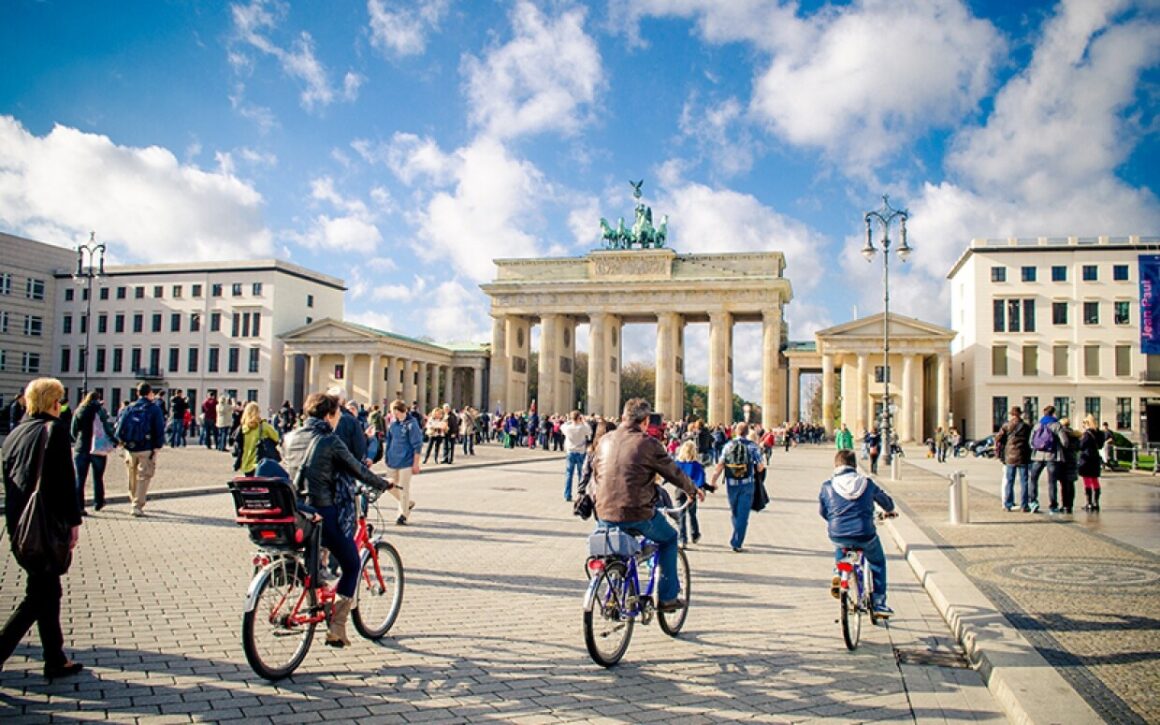
There are small things that can catch you off guard if no one mentions them. None of them are a big deal, but together they can affect your day.
For example, cash is still widely used. You can’t assume every place will accept cards, especially smaller cafés or shops.
And Sundays feel very quiet. Most stores are closed, even supermarkets.
Now, here’s something a lot of people skip talking about. In bigger cities, nightlife and adult services are openly part of the urban culture. If you’re curious about that side of the city, you might come across options like a München escort, which is simply part of how certain services operate locally.
No judgment either way, just something to be aware of so nothing surprises you.
Getting around without stress
Public transport in Germany is good, but it’s not perfect. I used to assume everything would run exactly on time. That’s not always the case anymore.
Trains are still one of the best ways to travel, but delays happen often enough that you should plan with a buffer.
Here’s what helps in real situations:
- Book long-distance train tickets early to save money
- Leave at least 20 to 30 minutes between connections
- Download the DB Navigator app for live updates
Also, don’t forget something important. Some regional tickets need validation before boarding, or you risk a fine
That part isn’t always obvious, and it’s one of those mistakes people make once and never again.
Choosing where to stay without overthinking it
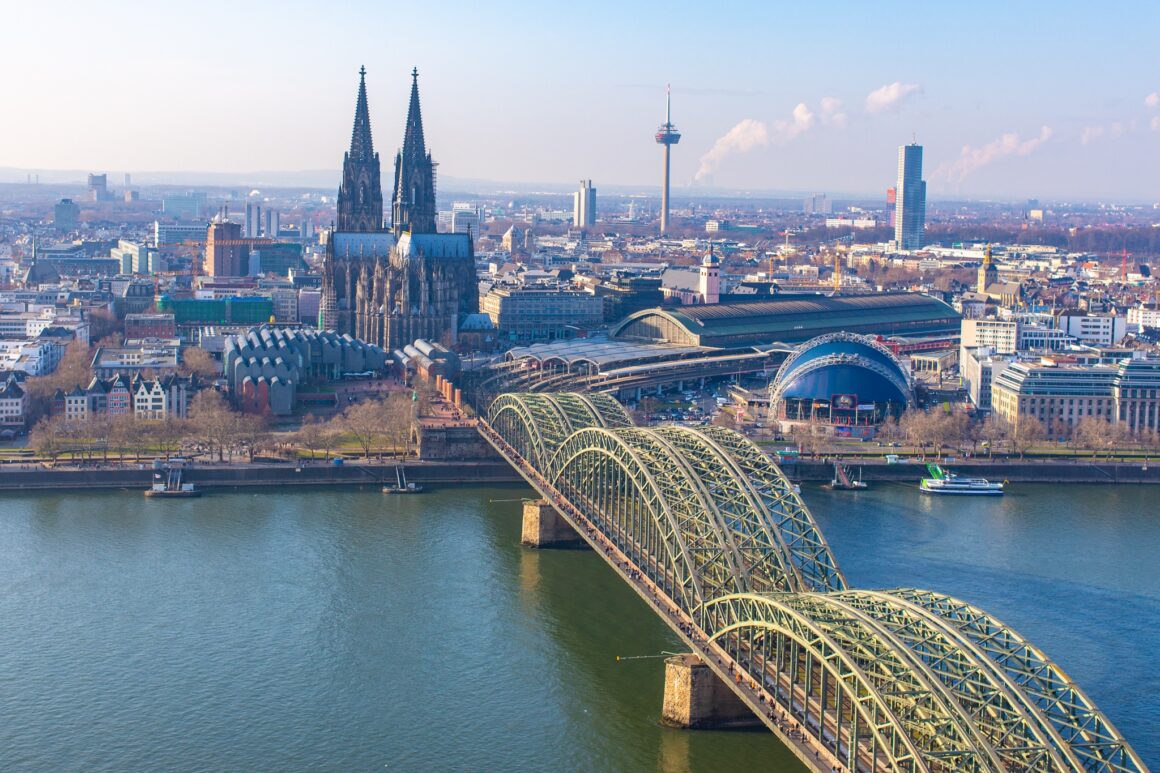
Accommodation in Germany is quite straightforward, but the location matters more than the type.
If you stay slightly outside the city center, you can save money and still get around easily thanks to public transport. Just check how close you are to a station.
Here’s a quick comparison that might help you decide:
| Area type | What to expect | Best for |
| City center | Higher prices, easy access | First-time visitors |
| Residential areas | Quieter, cheaper | Longer stays |
| Near train stations | Practical, busy | Short trips |
One thing I always check is how late public transport runs in that area. It sounds obvious, but it makes a difference after a long day out.
Food, money, and small cultural habits
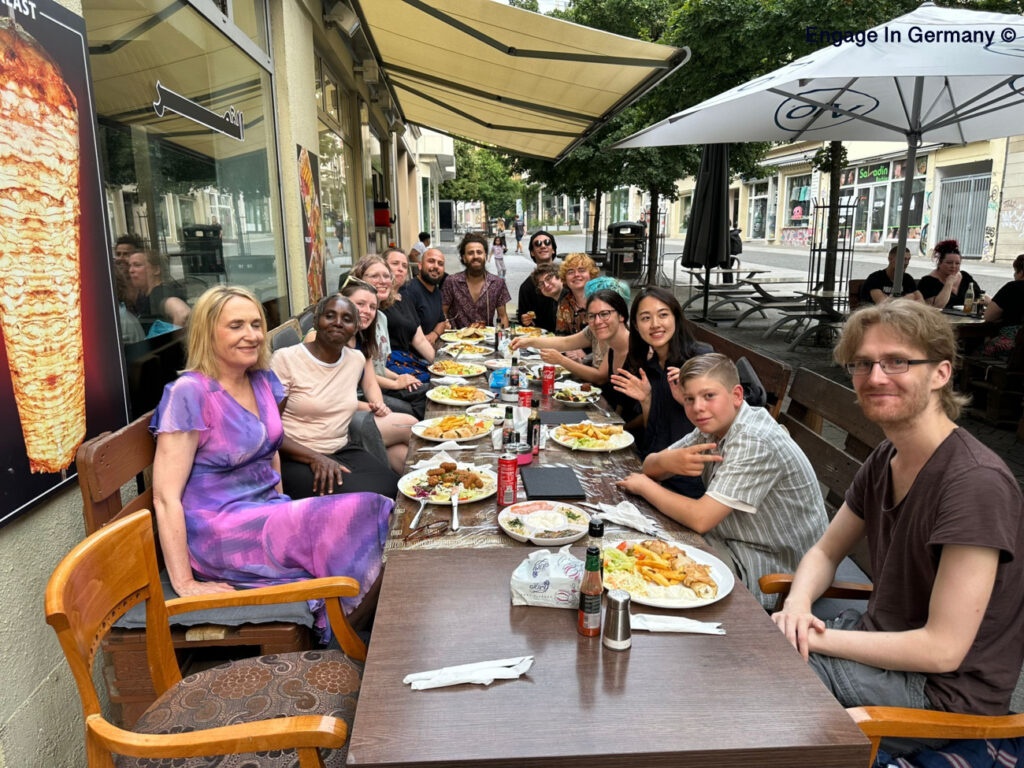
Food in Germany is simple but satisfying. You’ll notice that meals are more structured, and people don’t rush.
Something that confused me at first is that water isn’t always free in restaurants, and you usually have to order it
Also, tipping is more relaxed compared to some countries. Rounding up or leaving a small percentage is enough.
Let me add one quick note that saves time:
You usually tell the server the total amount you want to pay, including the tip, instead of leaving cash on the table
That small difference makes the interaction smoother.
And yes, carry coins. You’ll need them for things like public restrooms, which often require a small fee
It’s not a big expense, but it’s better to be prepared.
Best time to visit Germany based on what you want
Timing your trip changes the entire experience. Germany has strong seasonal differences, and it’s worth thinking about what you prefer.
If you’re unsure, here’s a simple breakdown:
- Spring and early fall feel balanced, with fewer crowds and comfortable weather
- Summer has long days and lively cities, but it can get busy
- Winter is quieter, except for Christmas markets
Did you know?
Germany has a noticeable difference in daylight hours between summer and winter, with much shorter days in winter months.
That affects how much you can actually do in one day.
So ask yourself. Do you want long sightseeing days or a more relaxed seasonal experience?
How to avoid common mistakes
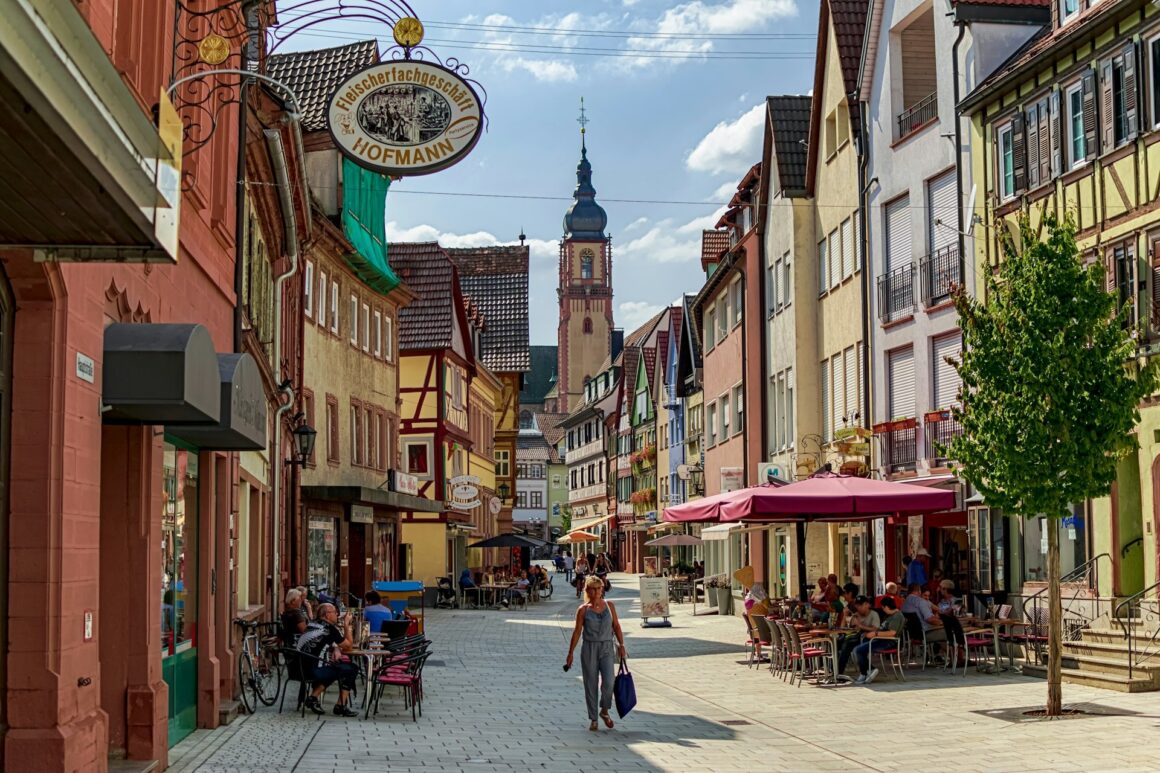
Most travel mistakes in Germany aren’t serious, but they can slow you down.
Here are a few that I’ve seen repeatedly:
- Relying only on card payments
- Not checking Sunday opening hours
- Planning tight train connections
- Trying to visit too many cities in one trip
Germany rewards simple planning. Once you understand the rhythm, everything feels easier.
And honestly, the trip becomes more enjoyable when you stop trying to optimize every minute.
Final thoughts
A Germany vacation works best when you give yourself space to adjust. Things run efficiently, but not always perfectly. And that’s fine.
What made my trips smoother was not trying to control everything. I planned the essentials, then stayed flexible with the rest.
So let me ask you one last thing. When you imagine your trip, do you see yourself rushing from place to place, or sitting in a café actually enjoying where you are?
If you lean toward the second option, you’re already on the right track.